Back to Top

Author Archives: Geoff Edwards

Morepork


Latest on the Morepork

In 2019 scientist Flossy Sperring commenced a doctoral research project focusing on population genetics, ecology and conservation management of the Norfolk Island Morepork. This 1hr video is a recording of Flossy’s recent talk given to the community in January 2024. The first half summarises the key findings from her PhD studies. The second half focuses on the genetics of the current owl population and potential future steps the national park may take to protect this species.

Access the video file directly (678 MB).

Posted in Birds, Endemic Fauna |

Land snails – vital components of forest ecosystems

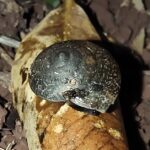
Norfolk Island’s largest native land snail Advena campbellii is one of the three Critically Endangered species

Land snails are underappreciated but play essential roles in recycling nutrients in soils and as food for many animals. Around 60 unique land snail species call Norfolk and Phillip Islands home. They come in a remarkable variety of shapes and colours but are facing threats from predators like rats and flatworms, and habitat loss. Currently, two species have become extinct while three species are Critically Endangered. Following the footsteps of Australian Museum researchers, PhD candidate Junn Kitt Foon of Western Sydney University is undertaking a three-year project to study:
(1) How are the last populations of these threatened snails genetically connected to each other?
(2) What habitats are best for native snails?
(3) How much are these snails affected by non-native predators?
(4) How might climate change affect these snails?

Answering these questions will hopefully help secure the long-term survival of these unique Norfolk and Phillip Island species. If you are keen to volunteer in future fieldwork or if you are a landowner interested to know what land snails can be found in the scrub on your land, please contact Junn by email: 22078036 AT SYMBOL student.westernsydney.edu.au or Junn.Foon AT SYMBOL Australian.Museum

We thank Junn Toon for this account of this important research.

Posted in Snails |

Citizen Science and Great Southern Bioblitz 2023

Citizen Science Conference was held from 20 – 24 November 2023 at the University of Sunshine Coast

See https://scienceqld.org/2023/08/05/citscioz23-proceedings/ after the event has closed to access the papers.


Bioblitz on Norfolk Island

The Great Southern BioBlitz 2023 was of special interest to Norfolk Islanders. It was an opportunity to focus the attention of Islanders in observing features of the natural environment around them. It also encouraged collaboration amongst like-minded people and allowed those who are simply curious to be supported by those with expert knowledge. See the flyer for details.

Posted in Get Involved |

Bee survey 2022

The honey bee population on Norfolk Island is unique from a pest and disease perspective. No other honey bee population in the world has fewer pests and pathogens. This important finding was confirmed in 2022 by a survey by Dr John Roberts of CSIRO. The report recommended that ongoing surveillance in Norfolk Island as part of the National Bee Pest Surveillance Program be resourced. Read the report here. The report can also be found on the Department’s website: Norfolk Island bee pest survey 2021–2022. The Department has summarised the results as follows:


“Honey bees are an important part of the ecosystem and culture of Norfolk Island. Honey bees support food security through reliable pollination services as well as producing honey and hive products. Having access to up-to-date information on bee pests and diseases is critical to maintaining the Island’s bee biosecurity.

In December 2022 and April 2023, Dr John Roberts visited Norfolk Island to conduct surveys of the honey bee population. Under the guidance of Norfolk Island’s beekeepers, Dr Roberts collected samples from bees, honey and hives to test for pests and diseases. He sampled 67 bee colonies (approximately 50% of all managed colonies) and inspected and tested for 16 pests and diseases.

The key findings of the survey are:

  • Since the last 2012–14 survey, no new honey bee pests or diseases were detected in Norfolk Island honey bees.
  • All previously reported pests and diseases were detected, including
    • high prevalence and infection levels of the gut parasite, Nosema ceranae
    • high prevalence of Lake Sinai virus, a common bee virus group with no known disease
    • low detection of the lesser wax moth (Achroia gresella), a minor hive pest.
  • The honey bee population on Norfolk Island is unique from a pest and disease perspective. No other honey bee population in the world has fewer pests and pathogens.

The report made three recommendations:

  • Permit only commercial importation of certified irradiated honey into Norfolk Island.
  • Resource ongoing surveillance in Norfolk Island as part of the National Bee Pest Surveillance Program.
  • Registration for all Norfolk Island beekeepers and encouraging beekeepers to perform regular hive inspections in line with Australia’s Honey Bee Industry Biosecurity Code of Practice.